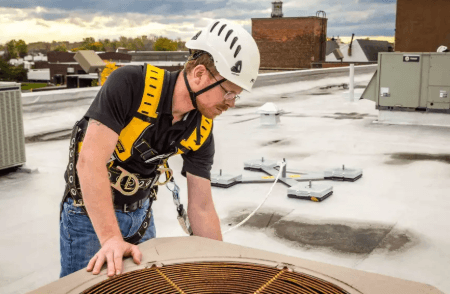
If you have ever stood on a steep roof, you know that the only thing between you and a very bad day is a small piece of steel and some high-strength bolts. Roof anchors and safety tie-off points are the unsung heroes of home maintenance. They allow professionals to work securely while keeping your property in good shape. When you are looking for a reliable roof repair park city inspection service, you want to make sure these critical components are part of the conversation. Checking them regularly is not just about compliance but about basic human safety.
The Physical Condition of the Anchor Body
The first thing you should look at is the actual hardware itself. Most anchors are made from galvanized steel or stainless steel, but that does not mean they are invincible. You are looking for signs of rust or corrosion that might eat away at the metal. If the anchor looks pitted or flaky, its structural integrity is already compromised.
Beyond rust, look for any physical deformation. A safety anchor should be perfectly shaped according to its original design. If you notice a slight bend in the ring or a twist in the base plate, it means the anchor has likely been subjected to a fall or extreme tension. These are one-time-use items in many cases. Once they take a hit, they need to go.
Inspecting the Fasteners and Mounting Surface
An anchor is only as strong as the wood or steel it is bolted into. You need to look closely at the bolts or screws holding the device to the roof. Are they backed out? Is there any wiggle room when you apply pressure? Even a tiny bit of movement can lead to a catastrophic failure under load.
You also have to check the area immediately surrounding the base. Look for signs of wood rot or soft spots in the decking. If the roof deck is mushy because of a slow leak, those heavy-duty bolts will pull right through the wood like a hot knife through butter. A solid anchor on a rotten roof is essentially useless.
The State of the Flashing and Waterproofing
Roofers hate anchors for one reason: they create a hole in the roof. Every time you penetrate the shingles or metal panels to install a safety point, you create a potential leak. This is why the flashing around the base of the anchor is so important.
Check for cracked caulking or brittle rubber boots. In high-altitude environments where the sun is intense and the snow is heavy, these seals break down fast. If you see water stains on the underside of the plywood in the attic directly below an anchor, you have a problem. You want to see clean, pliable sealant and metal flashing that sits flush against the roofing material.
Labels and Certification Tags
Every legitimate safety tie-off point should have some form of identification. This is often a metal tag or a stamped engraving that tells you the load rating and the manufacturer. If the label is worn away or painted over so you cannot read it, you have no way of knowing if the anchor is rated for the weight it needs to support.
Safety standards change over time. An anchor installed twenty years ago might not meet the current OSHA or local safety requirements. Checking these tags ensures that anyone stepping onto your roof is using equipment that is actually designed for modern fall protection standards. It is a small detail that makes a massive difference for liability and lives.
See also: 5 Ways to Cut Down on Stress During a Home Remodel
Signs of Stress and Wear in the Surrounding Shingles
Take a look at the shingles or tiles that sit right next to the anchor. If they are cracked, crushed, or missing, it usually means the anchor has been used frequently or improperly. Sometimes, workers might hook heavy equipment to these points or rub ropes across the roof surface, which shears off the protective granules of the shingles.
Excessive wear around the anchor can lead to localized leaks that are hard to spot until they become a major headache. If the area looks beat up, it is a sign that the anchor has been through a lot of stress. It might be time to have a professional take a closer look to ensure nothing has shifted underneath the surface.
Final Word
Staying on top of these small details prevents big disasters from happening later. If you are unsure about the state of your safety equipment, reaching out to a professional roof repair park city inspection service is the smartest move you can make. A quick check today ensures that your roof remains a safe place for anyone who has to climb up there to keep your home in top shape.