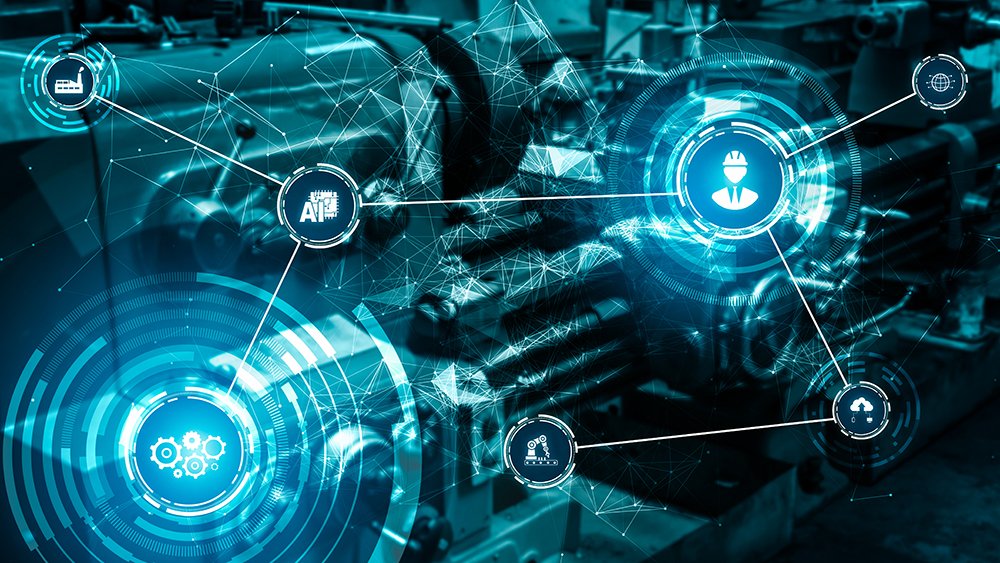
Technology is a pivotal factor in the evolution of smart manufacturing. Its integration of IoT, AI, and big data analytics streamlines operations and enhances productivity. Real-time data exchange allows manufacturers to optimize processes and anticipate maintenance needs. Furthermore, data-driven insights improve quality control and decision-making. As these systems become more interconnected, the implications for supply chain agility and operational resilience are profound. The question remains: how will these advancements shape the future of manufacturing?
The Role of IoT in Enhancing Manufacturing Efficiency
As manufacturing increasingly adopts smart technologies, the Internet of Things (IoT) emerges as a pivotal force in enhancing operational efficiency.
Device connectivity facilitates real-time data exchange, enabling manufacturers to optimize processes and reduce downtime.
However, IoT security remains a critical concern, as interconnected devices can present vulnerabilities.
Addressing these challenges is essential for harnessing the full potential of IoT in manufacturing environments.
Leveraging AI for Predictive Maintenance and Quality Control
While traditional maintenance schedules often rely on predetermined timelines, leveraging artificial intelligence (AI) for predictive maintenance and quality control transforms this approach by utilizing data-driven insights to anticipate equipment failures and quality issues.
AI algorithms, powered by machine learning and predictive analytics, enable manufacturers to enhance quality assurance processes, ultimately reducing downtime and improving operational efficiency through proactive identification of potential problems.
Big Data Analytics: Transforming Decision-Making Processes
The integration of big data analytics into manufacturing processes significantly enhances decision-making capabilities by transforming raw data into actionable insights.
Through advanced data visualization techniques, stakeholders can interpret complex datasets efficiently.
Real-time insights facilitate timely responses to operational challenges, optimizing performance and resource allocation.
Consequently, organizations leverage these analytics to drive innovation, reduce costs, and improve overall productivity in smart manufacturing environments.
Creating a Flexible Supply Chain Through Technology Integration
How can technology integration revolutionize supply chain flexibility in manufacturing?
By facilitating supply chain optimization through enhanced data sharing and real-time communication, technology collaboration enables manufacturers to adapt swiftly to market changes.
Advanced analytics and IoT devices streamline processes, reduce lead times, and improve inventory management.
Consequently, manufacturers can achieve a more responsive and resilient supply chain, fostering operational excellence and competitive advantage.
Conclusion
In the ever-evolving landscape of smart manufacturing, technology serves as the silent architect, seamlessly weaving together IoT, AI, and big data analytics. This intricate tapestry not only enhances operational efficiency but also nurtures a proactive approach to predictive maintenance and quality control. By fostering a nimble supply chain, technology empowers manufacturers to gracefully navigate market fluctuations, ensuring resilience and security. As such, the future of manufacturing is not merely bright; it is brilliantly illuminated by the transformative power of innovation.