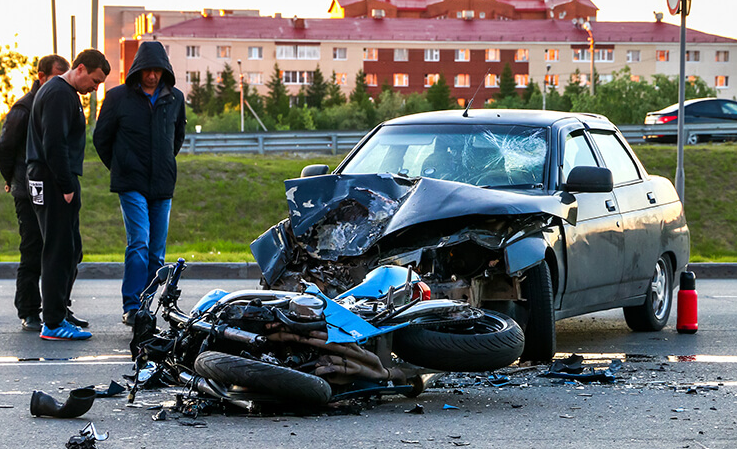
A car crash can flip an ordinary week upside down. One moment you are driving to work, picking up groceries, or heading across Houston traffic. Next, your shoulder hurts, your phone keeps ringing, and even getting out of bed feels harder than it should. That first shock fades fast. Bills arrive. Work emails stack up. The family still needs you. And pain has a strange way of showing up later, not always right there at the scene. That is why early choices matter.
When simple tasks stop feeling simple
A crash injury rarely stays in one lane. A sore neck may sound minor at first, yet by day three you cannot turn your head well enough to drive. A back injury can make stairs feel like a chore. Even cooking dinner becomes slow work. People often expect a clear injury right away. Real life does not always work like that. Some pain builds over hours. Some symptoms wait until the next morning. That delay causes trouble because insurance adjusters often ask quick questions before you even understand what hurts.
So write things down early:
- Where the pain starts
- What movement makes it worse
- What tasks now take longer
- Which work duties you cannot do
This helps later because memory gets messy after stressful days. A short note on your phone can matter more than people think.
First things first — get checked, even if you think you are okay
A lot of crash victims say the same thing: “I thought I was fine that day.” Then the headaches begin. A visit to urgent care, an ER, or your doctor creates a medical record tied to the crash. That link matters. Without it, insurers may argue the injury came from something else. Keep every paper. Every receipt too.
That means:
- clinic papers
- prescription slips
- parking receipts
- therapy schedules
It feels small, maybe annoying, but those little papers tell a clean story later. If you miss follow-up visits, insurers notice that too. They may say your injury was not serious. Strange, right? Pain can be real even when life gets busy. Still, records carry weight.
Work problems show up fast
The paycheck issue usually hits before people expect it. Maybe you can still work, but only part of the day. Maybe you cannot sit long. Maybe lifting hurts.
A crash can affect:
- hourly wages
- overtime
- sick leave
- future job tasks
Even remote workers feel it. Sitting at a desk with neck pain is no small thing. Ask your employer for written proof of missed hours or duty changes. Keep emails. Save messages. These details help show how the injury changed daily life, not just medical charts.
Home life changes too, and people forget that counts
Here is the thing: legal claims are not only about hospital bills. If you now need help bathing a child, driving to school, carrying laundry, or standing long enough to cook, that matters too. Pain changes routines. It also changes mood. Some people sleep badly after a crash. Some get jumpy in traffic. Some avoid highways near busy parts of Interstate 45 because their hands shake at the wheel. That emotional strain often gets ignored at first. It should not. Write down those daily changes too.
Why waiting too long can hurt your case
People often wait because they hope things settle down. Sometimes they do. Sometimes they do not. A delay can weaken proof. Photos disappear. Witnesses forget details. Repair records get harder to track.
Take photos of:
- bruises
- swelling
- car damage
- road marks if available
Even simple phone photos help. And if an insurer calls early, stay careful. They may sound friendly. They usually ask for recorded statements fast. You do not need to rush into that.
See also: The Complete Guide to Safety and Compliance Services for Businesses
When legal help starts making sense
A crash claim sounds simple until papers pile up.
There may be:
- medical billing codes
- repair estimates
- lost wage proof
- fault disputes
That is why many injured drivers speak with a Schechter, Shaffer & Harris, LLP – Accident & Injury Attorneys team early, especially when injuries affect work or family life. A known Schechter, Shaffer & Harris, LLP – Accident & Injury Attorneys case review often focuses on how the crash changed daily living, not only the crash itself. And that makes sense, because daily life is where the damage really shows. If you need a Houston personal injury lawyer, choosing one who knows local traffic claims, local insurers, and local court habits can save time and stress.
Houston roads add their own problems
Traffic in Houston is busy, wide, and often unpredictable. Heavy rain, sudden lane shifts, and long freeway stretches can turn a small mistake into a hard crash. Local cases often involve:
- rear-end wrecks
- side-impact crashes
- distracted driving
- uninsured drivers
A crash on a feeder road may look minor but still leave lasting pain. That mismatch happens a lot. The car bumper looks okay. Your neck does not.
Small habits that protect your claim
Honestly, little habits matter more than people expect. Do this:
- Answer medical questions clearly.
- Show up for therapy.
- Keep receipts in one folder.
- Do not post crash jokes or updates online.
That last one surprises people. A smiling photo at a family event can be twisted into “you were not hurt,” even if you left early because your back hurt. Yes, it sounds unfair. Still happens.
FAQ: What people usually ask after a Houston crash
1. Should I see a doctor even if pain starts later?
Yes. Some injuries take hours or days to appear. A medical visit also connects the pain to the crash in writing.
2. Can I claim lost pay if I used sick days?
Yes. Sick leave still has value because those hours were yours. Pay records usually help prove that loss.
3. What if the other driver says the crash was partly my fault?
Texas fault rules may still allow recovery if you were not mostly at fault. Case details matter a lot here.
4. Do I need a lawyer for a minor crash?
Not always. Yet if pain lasts, bills rise, or work changes, legal practice help often becomes useful.
5. How long should I keep records after the crash?
Keep everything until the claim fully ends—medical papers, repair bills, wage proof, and insurer letters.
One last practical thought
Recovery is rarely neat. Some days feel normal. Then pain returns after a grocery run or a short drive. That up-and-down pattern is common after a crash. So keep track, stay steady, and do not guess your injury is too small to matter. A car crash lasts longer than the sound of impact. For many people, the real problem starts later—when normal life no longer feels normal