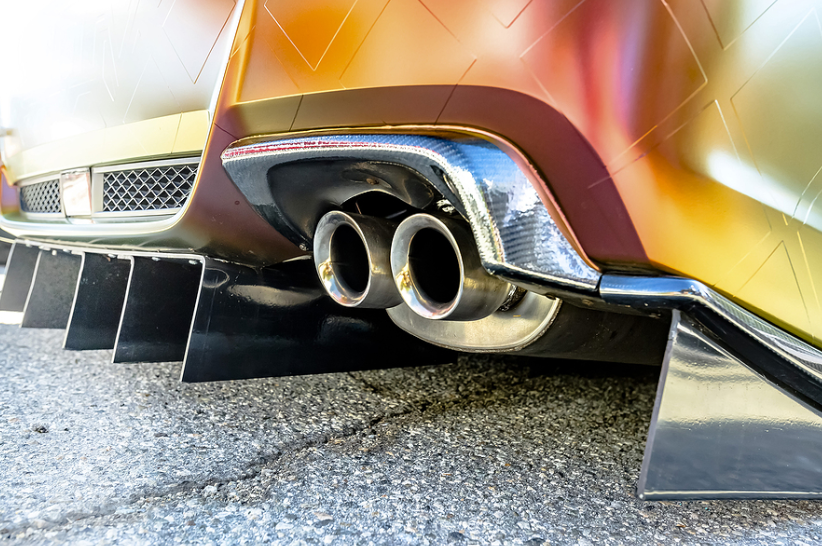
Exhaust systems are essential components in engines whether for automobiles, marine vessels, industrial generators, or heavy machinery. They safely guide exhaust gases away from the engine, reduce noise, improve performance, and help control emissions. Choosing the right exhaust system manufacturer is critical for ensuring durability, optimal performance, and regulatory compliance.
In this comprehensive guide, we’ll explore how exhaust systems work, the major types of systems, top manufacturers across industries, what to consider when selecting a manufacturer, common challenges, and strategies for working with suppliers. Whether you’re a vehicle owner, marine operator, fleet manager, or parts buyer, this article will give you the insight needed to make informed decisions.
What Is an Exhaust System?
An exhaust system is a network of pipes, silencers (mufflers), catalytic converters (for emissions control), and related components that manage the flow of combustion gases from the engine to the atmosphere. Its primary purposes include:
- Removing exhaust gases safely
- Reducing engine noise
- Controlling emissions
- Improving thermal performance
- Enhancing engine efficiency
In automotive applications, exhaust systems influence horsepower, fuel economy, and emissions compliance. In marine applications, they must also prevent water intrusion and withstand corrosive saltwater environments.
Key Types of Exhaust Systems
1. Automotive Exhaust Systems
Automotive exhaust systems are designed for cars, trucks, and commercial vehicles. They typically include:
- Exhaust manifolds
- Catalytic converters
- Resonators
- Mufflers
- Tailpipes
Performance exhaust variants — like headers and high‑flow catalytic converters are used to improve power and sound characteristics.
2. Marine Exhaust Systems
Marine exhaust systems operate in wet environments. They are typically “wet” systems that mix cooling water with exhaust gases to reduce heat. Components include:
- Exhaust elbows
- Riser assemblies
- Mufflers
- Water injection systems
These systems must also protect engines from water backflow and corrosion.
3. Industrial and Heavy Equipment Exhaust Systems
Used in generators, construction machinery, and industrial engines, these systems must withstand extreme heat, dust, and heavy loads. Manufacturers often provide custom solutions for:
- High‑temperature resistant designs
- Built‑to‑order pipework
- Noise suppression
Why Manufacturer Choice Matters
Selecting the right exhaust system manufacturer affects the following outcomes:
Performance and Efficiency
A quality manufacturer ensures proper design and materials for optimal airflow, reduced backpressure, and improved engine performance.
Longevity and Durability
Marine and automotive environments expose exhaust components to heat, vibration, water, and corrosive elements. A reputable manufacturer uses high‑grade materials (like stainless steel) and proven processes that extend component life.
Noise and Emissions Compliance
Manufacturers who design systems to meet noise and emissions regulations help users avoid fines and legal issues. Many regions (including the U.S. and EU) have strict emissions requirements.
Safety
Poorly designed exhaust components can lead to harmful fumes entering cabins or engine compartments especially in marine and enclosed vehicle applications. Quality manufacturing minimizes these risks.
See also: How to Increase your Business Exposure with SEO
Leading Exhaust System Manufacturers (Worldwide)
Below are some of the most respected names in exhaust system manufacturing across various industries:
Automotive Exhaust Manufacturers
1. MagnaFlow
MagnaFlow is known for high‑performance exhaust systems, catalytic converters, and custom solutions for cars, trucks, and SUVs. Their products are popular in both OEM and aftermarket markets.
2. Flowmaster
Flowmaster specializes in performance mufflers and exhaust systems that deliver distinctive sound profiles and improved airflow especially in muscle cars, trucks, and performance vehicles.
3. Borla Performance Industries
Borla is renowned for premium stainless steel exhaust systems that maximize performance and durability while producing refined exhaust tones.
4. Akrapovič
A leader in high‑end exhaust systems for motorcycles and sports cars. Akrapovič systems often use lightweight materials like titanium and carbon fiber for performance gains.
Marine Exhaust Manufacturers
1. Garelick Manufacturing
Garelick provides marine exhaust outlets, fittings, and custom components designed to meet the demanding environments of saltwater boating.
2. Siemens/VDO Marine (formerly Teleflex Marine)
Provides complete marine exhaust systems and monitoring solutions used in recreational and commercial vessels.
3. Walker Marine Exhaust Technologies
Walker produces rugged marine exhaust systems and components designed to handle high heat loads and corrosive environments.
Industrial and Heavy‑Duty Exhaust Manufacturers
1. Cummins Emission Solutions (CES)
A global leader in emissions technology and exhaust components for industrial engines, generators, and heavy‑duty equipment.
2. Donaldson Company, Inc.
Specializes in air filtration and exhaust solutions for industrial and heavy‑duty applications with a focus on durability and emissions.
3. Thermo Tech Exhaust Systems
Manufactures exhaust components for large industrial engines, including customized piping and silencing systems.
What to Look for When Choosing an Exhaust System Manufacturer
Deciding on a manufacturer is more than picking the biggest name. Consider the following criteria:
1. Industry Experience and Expertise
Look for manufacturers with a proven track record in your specific application automotive, marine, heavy‑duty, or industrial. Experience with similar engine types and operating conditions is critical.
2. Material Quality
High‑grade materials determine performance and durability:
- Stainless Steel (304/316): Excellent resistance to heat and corrosion.
- Aluminized Steel: Cost‑effective with decent corrosion resistance.
- Cast Iron: Used in manifolds but heavier and more brittle than stainless.
Marine applications often demand 316‑grade stainless steel for superior saltwater resistance.
3. Design Capabilities
Manufacturers with strong design and engineering teams including CFD (Computational Fluid Dynamics) testing produce better‑optimized exhaust flow paths, reduced backpressure, and superior performance.
4. Compliance and Certification
Ensure your manufacturer meets:
- EPA emissions standards
- CARB (California Air Resources Board) compliance
- CE or ISO certification (for industrial and global markets)
This ensures performance and legal compliance across jurisdictions.
5. Custom Engineering Services
Some applications require:
- Custom bends, lengths, and angles
- Specific flange types
- Integrated silencing or catalytic solutions
Choosing a manufacturer with custom capabilities offers a significant advantage.
6. After‑Sales Support and Warranty
A strong support team and solid warranty policy help ensure long‑term performance and faster issue resolution.
Custom Exhaust Systems: When and Why They Matter
Standard systems fit many applications, but custom exhaust solutions are often necessary when:
Unique Engine Layouts
Boats, race cars, and industrial machinery often require specialized routing due to space constraints.
Performance Enhancement
Custom designs reduce backpressure, improve flow, and increase power output or torque in performance engines.
Marine Environment
Custom exhaust components like elbows, risers, and mufflers resist water intrusion and corrosion better than off‑the‑shelf parts.
Retrofit Projects
Older vehicles, vintage cars, and legacy industrial systems may lack compatible modern components and require custom solutions.
Quality, Material, and Manufacturing Standards
A manufacturer’s production standards impact final product quality.
Precision Engineering and CNC Machining
High‑precision machining ensures tighter tolerances and accurate fits — especially important for high‑performance and custom applications.
TIG Welding and Fabrication
High‑quality exhaust systems use TIG welding for strong, clean welds that resist corrosion and stress cracking.
Heat Treatment and Finishing
Heat‑treated components improve strength and thermal stability. Polished or coated finishes enhance corrosion resistance and longevity.
Common Exhaust Issues and How Manufacturers Address Them
Backpressure Problems
Backpressure occurs when exhaust gases can’t flow freely. This reduces performance and increases fuel consumption.
Solution: Performance manufacturers optimize pipe diameter and smooth bends to minimize resistance.
Corrosion and Rust
Marine and road environments expose systems to moisture and chemicals.
Solution: Use of 304/316 stainless steel and protective coatings.
Noise and Vibration
Poor design can lead to excessive noise and vibration.
Solution: Quality mufflers, resonators, and acoustic engineering reduce sound without compromising flow.
Top Trends in Exhaust Technology
1. Active Exhaust Systems
These systems use valves and electronic controls to switch between quiet and performance modes.
2. Lightweight Materials
Titanium and carbon fiber components reduce weight and improve performance — especially in motorsports.
3. Integrated Emission Controls
Manufacturers now build catalytic converters, particulate filters, and SCR (Selective Catalytic Reduction) systems into exhaust designs to meet strict emissions regulations.
4. 3D Printing and Rapid Prototyping
Advanced manufacturing speeds up custom part development and reduces lead times.
Working With Exhaust System Manufacturers: Best Practices
Provide Accurate Specifications
Give detailed engine data, space constraints, and performance goals to ensure correct design.
Ask for Prototypes or Samples
For custom jobs, prototypes help confirm fit and performance before full production.
Understand Lead Times
Custom systems can take weeks — plan ahead for installations or upgrades.
Request Technical Support
Manufacturers with engineering teams provide better results, especially when integrating with other systems.
Case Studies: How the Right Manufacturer Makes a Difference
Automotive Performance Upgrade
A performance shop partnered with a premium exhaust manufacturer to design custom headers and cat‑back system for a race car. Results:
- 12% increase in horsepower
- Noticeable torque improvement
- Enhanced throttle response
Marine Retrofit Project
A boat with recurring water intrusion issues switched to a custom marine exhaust system made from 316 stainless steel with precision bends and TIG welding. Benefits:
- Zero water backflow
- Longer component life
- Better exhaust cooling
Heavy‑Duty Industrial Solution
An industrial generator system needed custom high‑temperature resistive exhaust piping. A manufacturer provided custom steel solutions, resulting in:
- Improved heat tolerance
- Reduced maintenance downtime
- Compliance with emissions standards
Conclusion
Choosing the right exhaust system manufacturer is one of the most important decisions for vehicle owners, marine operators, and industrial users. The right partner ensures:
Higher performance
Longer service life
Noise reduction
Regulatory compliance
Increased safety
Whether you need a standard automotive system, marine exhaust solutions, or custom engineered components, understanding what to look for will help you make the right choice.
Contact Us
If you’re looking for expert guidance or need help sourcing high‑quality exhaust systems or custom solutions, contact us today. Our team can help you identify the best manufacturers, select the right components, and ensure seamless integration with your application.