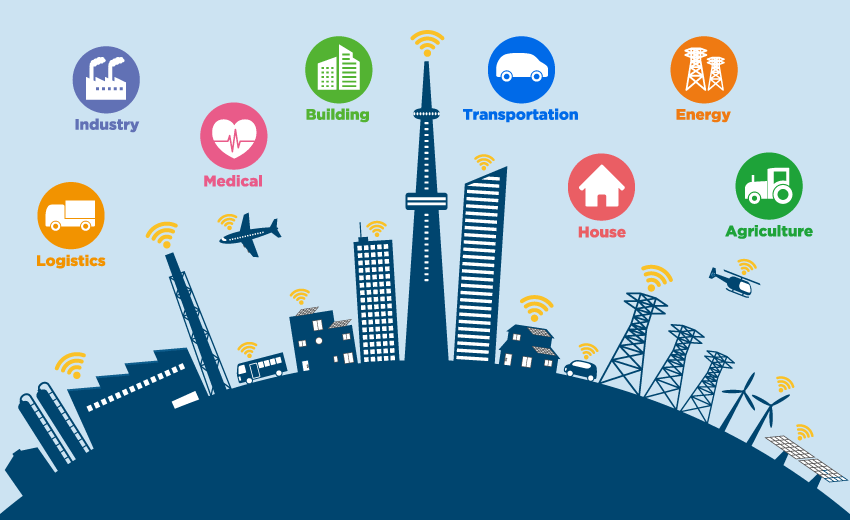
Technology is integral to the development of smart infrastructure. It integrates various systems to optimize efficiency, connectivity, and sustainability within urban environments. The Internet of Things (IoT) plays a crucial role in collecting real-time data through smart sensors. This data informs intelligent transportation systems and enhances energy management through smart grids. As cities evolve, the implications of these technologies on urban planning and resource management become increasingly significant. What remains to be explored is their long-term impact on resilience.
The Role of IoT in Smart Infrastructure
As urban environments continue to evolve, the integration of the Internet of Things (IoT) emerges as a pivotal element in the development of smart infrastructure.
Smart sensor integration facilitates real-time data collection, enhancing operational efficiency.
However, IoT security challenges pose significant risks, necessitating robust security protocols.
Addressing these vulnerabilities is crucial for fostering trust and ensuring the seamless functionality of interconnected urban systems.
Enhancing Urban Mobility With Intelligent Transportation Systems
The integration of intelligent transportation systems (ITS) represents a significant advancement in urban mobility, building upon the foundational role of IoT in smart infrastructure.
By facilitating autonomous vehicles and employing real-time data analytics, ITS enhances traffic optimization, reducing congestion and improving travel efficiency.
This technological framework not only fosters seamless connectivity but also empowers individuals with greater freedom in urban transportation choices.
Energy Management Through Smart Grids
A significant shift in energy management is facilitated by the implementation of smart grids, which leverage advanced digital technologies to enhance the efficiency and reliability of electricity distribution.
These systems optimize energy efficiency through real-time monitoring and analytics, enabling effective demand response strategies.
Consequently, smart grids empower consumers and utilities alike, supporting a sustainable energy ecosystem that promotes freedom and innovation in energy use.
Leveraging Big Data for Urban Planning and Development
While urban planning has traditionally relied on static data and historical trends, the integration of big data analytics is revolutionizing the approach to city development and management.
By employing predictive modeling, planners can forecast urban growth patterns, optimize resource allocation, and enhance community engagement.
This data-driven methodology fosters adaptive strategies, empowering cities to respond dynamically to evolving needs and ensuring sustainable development for future generations.
Conclusion
In conclusion, technology underpins smart infrastructure by fostering connectivity, enhancing efficiency, and promoting sustainability. The Internet of Things cultivates real-time data for informed decision-making; intelligent transportation systems streamline mobility and reduce congestion; smart grids optimize energy management and consumption; and big data analytics shapes adaptive urban planning. Together, these elements create a cohesive framework that not only addresses current urban challenges but also anticipates future demands, ensuring resilient cities capable of thriving in a dynamic environment.