Technology significantly enhances smart retail analytics through the integration of artificial intelligence, machine learning, and big data. These tools facilitate precise consumer behavior forecasting and enable retailers to develop targeted marketing strategies. Moreover, data-driven inventory management optimizes stock levels, aligning with real-time market demands. This interplay of technology and analytics raises important questions about future retail dynamics and the potential for further innovation in customer engagement and operational efficiency.
The Role of Artificial Intelligence in Retail Analytics
As retailers increasingly seek to enhance their operational efficiency and customer engagement, the integration of artificial intelligence (AI) into retail analytics has emerged as a transformative force.
AI facilitates predictive modeling, enabling businesses to forecast consumer behaviors and trends accurately.
Additionally, it enhances customer segmentation by identifying distinct groups within the customer base, allowing for tailored marketing strategies that resonate with diverse consumer preferences.
Utilizing Machine Learning for Enhanced Customer Insights
While traditional analytics methods provide valuable insights, utilizing machine learning offers a more sophisticated approach to understanding customer behavior in retail.
By leveraging predictive analytics, retailers can identify patterns and trends in consumer preferences, allowing them to tailor marketing strategies effectively.
This data-driven methodology not only enhances customer engagement but also fosters a responsive shopping environment, ultimately driving sales and improving customer satisfaction.
The Impact of Big Data on Inventory Management
The integration of big data into inventory management has transformed how retailers operate, complementing the insights gained from machine learning.
Enhanced demand forecasting capabilities allow retailers to optimize stock levels, reducing excess inventory and stockouts. This data-driven approach streamlines the supply chain, enabling more responsive and efficient operations.
Ultimately, big data empowers retailers to make informed decisions that align with consumer demand patterns.
Real-Time Data Processing for Improved Decision-Making
How can real-time data processing revolutionize decision-making in retail?
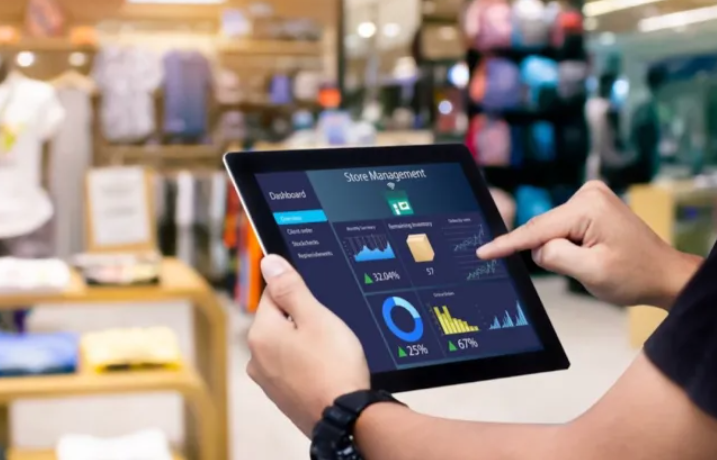
By leveraging real-time dashboards, retailers can access up-to-the-minute insights that enhance data visualization.
This immediacy allows for agile responses to market shifts, customer behavior, and inventory levels.
Consequently, decision-makers are empowered to make informed choices quickly, ultimately fostering a more responsive and adaptive retail environment that aligns with consumer needs and preferences.
Conclusion
In the intricate tapestry of modern retail, technology serves as the weaver, intertwining threads of artificial intelligence, machine learning, and big data to create a vibrant landscape of insights and efficiencies. As retailers harness these tools, they navigate the shifting currents of consumer behavior and inventory dynamics with precision. The result is a responsive and adaptive retail environment, where informed decision-making illuminates the path to increased sales and enriched customer experiences, akin to a lighthouse guiding ships safely to shore.